

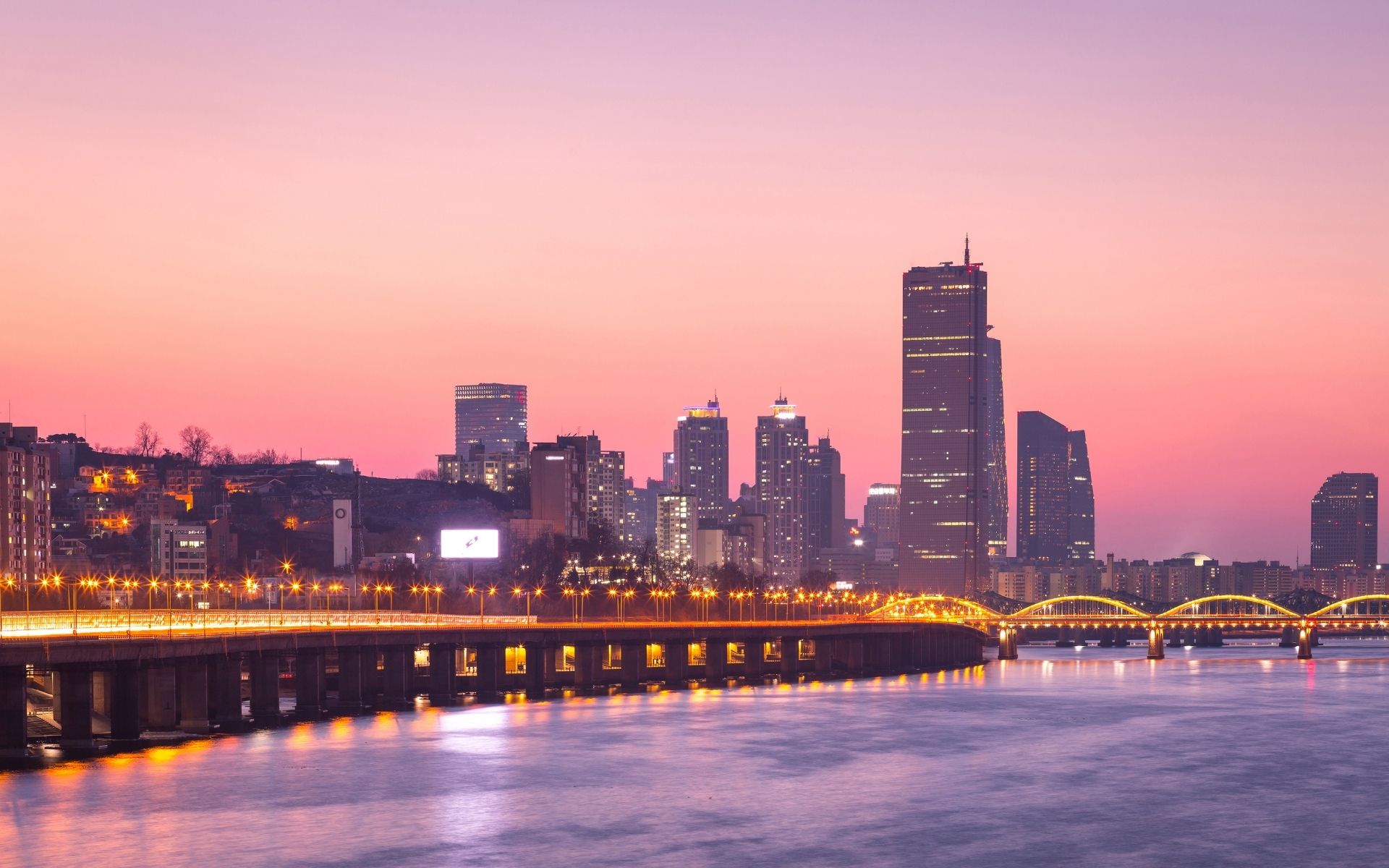
Study in South Korea from Nepal with our complete guide. Learn about D-2 visa processing, English-taught programs, living costs, and university admissions.
We are with you — from Application to Acceptance.
South Korea has become one of the fastest-growing study destinations for Nepali students, combining globally ranked universities, cutting-edge technology, affordable tuition, and a safe, student-friendly environment. Himalayan White House Education Consultancy (HWHEC) helps you navigate every step — from choosing the right university to securing your D-2 student visa.
Quick Facts for Nepali Students
| Tuition (per year) | NPR 4–12 Lakh (KRW 4,000,000–12,000,000) |
| Living costs (per year) | NPR 10–15 Lakh (KRW 9,000,000–18,000,000) |
| Work rights | Up to 35 hours/week during semester; full-time during vacations |
| Financial proof required | Approx. USD 20,000 (fixed deposit for D-2 visa) |
| Intakes | Spring (March) and Fall (September) |
| Visa type | D-2 (Degree-seeking student visa) |
Why Study in South Korea?
South Korea offers Nepali students a high-value, high-safety alternative to traditional Western destinations. Here’s what makes it stand out:
- World-class universities — home to institutions like Seoul National University, KAIST, and Yonsei University, all ranked among Asia’s best.
- Affordable education — tuition and living costs are significantly lower than in the UK, USA, Canada, or Australia.
- Technology & innovation hub — study and intern alongside global giants like Samsung, Hyundai, and LG.
- English-taught programs — many bachelor’s and master’s programs are fully taught in English, with Korean language support for those who want to go further.
- Safe and welcoming — South Korea is consistently ranked among the safest countries for international students.
- Strong scholarship support — the government-funded Global Korea Scholarship (GKS) and university-level scholarships make studying in Korea highly accessible.
- Cultural experience — a unique chance to immerse in K-culture while building an internationally respected degree.
Cost of Studying in South Korea
Tuition Fees
| Level | Annual Tuition (KRW) | Approx. NPR |
|---|---|---|
| Bachelor’s | ₩4,000,000 – ₩10,000,000 | NPR 4–10 Lakh |
| Master’s / PhD | ₩5,000,000 – ₩12,000,000+ | NPR 5–12 Lakh+ |
Living Costs
| Location | Annual Estimated Cost | Includes |
|---|---|---|
| Seoul / Major cities | ₩12,000,000 – ₩18,000,000 | Housing, food, transport |
| Smaller cities | ₩9,000,000 – ₩13,000,000 | Lower housing costs |
Popular Fields of Study
Korean universities are especially strong in the following fields:
- Engineering & Technology
- Computer Science & IT
- Business Administration & Management
- Natural Sciences
- Health Sciences, Medicine & Nursing
- Korean Language & Cultural Studies
- Hospitality & Tourism Management
- Fashion Design & Creative Arts
- Agriculture & Environmental
- Sciences Humanities & Social Sciences
Choosing the Right Program
Our counsellors help you weigh:
- Career goals — which industries are hiring, in Korea and back home in Nepal
- Language track — English-taught vs. Korean-taught programs
- Budget — engineering/business (₩6–10M/year), humanities (₩4–6M/year), medicine/pharmacy (₩8–12M+/year)
- Job prospects — STEM fields currently see the strongest post-graduation employment outcomes
- Scholarship eligibility — GKS and university-specific awards
Scholarships for Nepali Students
- Global Korea Scholarship (GKS) — a fully funded, government scholarship covering tuition, airfare, and a monthly living stipend, open to all majors.
- University merit scholarships — many universities offer partial to full tuition waivers based on academic performance.
- Early application with a strong academic record significantly improves your scholarship chances — HWHEC helps you build a competitive application well ahead of deadlines.
The D-2 Student Visa
- The D-2 visa is issued for degree-seeking programs at Korean universities.
- Students may work up to 35 hours per week during the semester and full-time during vacations.
- A separate work permit and resident card are required after arrival in Korea (processing typically takes 1–2 months).
- Permitted work is generally limited to the service sector (e.g., hospitality); factory and construction work are not allowed on a student visa.
Pre-Departure & Student Life
- Choose between on-campus dormitories or off-campus housing based on your budget and preferences.
- Learn basic Korean phrases — even in English-taught programs, it makes daily life and campus integration much easier.
- Explore Korean food, festivals, and pop culture as part of your student experience.
- Plan your finances around part-time work opportunities and student discounts to manage living costs comfortably.
How HWHEC Supports You
From your first counselling session to your departure, HWHEC is with you at every step:
- University and program selection based on your goals and budget
- Application and document preparation, including certified translations
- Global Korea Scholarship (GKS) application support D-2 visa guidance and interview preparation
- Pre-departure orientation and settling-in guidance
Book your free 1:1 counselling session today and take the first step toward studying in South Korea.
Frequently Asked Questions
Q1: Can I study in South Korea without knowing Korean?
Yes. Many programs are fully taught in English. That said, learning Korean improves your campus life and job prospects significantly.
Q2: What is the D-2 visa, and how many hours can I work?
The D-2 visa is for degree-seeking students. You can work up to 35 hours per week during the semester and full-time during vacations, once you’ve obtained your resident card and work permit after arrival.
Q3: How much money do I need to show for my visa application?
You’ll generally need to demonstrate funds covering tuition plus living costs — commonly around USD 20,000, though the exact amount depends on the university and program.
Q4: Which intake should Nepali students target?
The Fall intake (September) is the most popular. We recommend starting your application 6–9 months in advance.
Q5: Are there scholarships specifically for Nepali students?
While the Global Korea Scholarship (GKS) is open to applicants worldwide, including Nepal, HWHEC counsellors can guide you through eligibility and the full application process.
हामी तपाईंसँगै छौं — आवेदनदेखि स्वीकृतिसम्म। (We are with you — from Application to Acceptance.)